Could these mysterious flashes of light in 1950s photos be UFOs? Some researchers think so

niche or mildly interesting
UAP Insight significance score
- Author
- Keith Cooper
- Published
- October 29, 2025
- Event date
- 1950-01-01
- Object type
- unidentified light flashes
Original excerpt
Researchers claim flashes of light seen in sky surveys could have been UFOs drawn to Earth by nuclear tests, but more mundane explanations should be explored first.
Key claims
- →Researchers claim flashes of light in sky survey images from the 1950s may be UFOs
- →The researchers propose the objects were drawn to Earth by nuclear tests
- →The article states more mundane explanations should be explored first
Space.com reports that some researchers suggest flashes of light in 1950s sky survey photographs could be UFOs attracted by nuclear tests. The article notes that mundane explanations should be examined first.
Alternative explanation
Mundane causes such as photographic artifacts, plates defects, or astronomical or instrumental effects are recommended to be ruled out before any UFO interpretation.
Keep UAP Insight free and ad-free
One person runs it; the daily AI summaries and document analysis have real costs. A one-time tip helps. Support never buys coverage, ranking or a better score.
Related · science
- 1.Scientists Just Analyzed More Than 100 UAP Videos Released by the Pentagon’s ‘PURSUE’ Program—This is What They Learned(thedebrief.org)
Scientists analyzed more than 100 UAP videos released by the Pentagon's PURSUE program and identified a new analytical challenge for researchers attempting to determine whether the videos display anomalous capabilities. The study reveals obstacles in the scientific assessment of Pentagon-released UAP footage.
- 2.UAP Operational Presence, 1945—1975(explorescu.org)
The Scientific Coalition for UAP Studies released a comprehensive analysis synthesizing four prior studies examining unexplained aerial phenomena across the continental United States from 1945 through 1975. The study integrates multiple analytic approaches to infer patterns of non-human intelligence operational presence and resource constraints based on archival data. The research represents an attempt to establish systematic historical patterns of UAP activity over a three-decade period.
- 3.Cluster Analysis of Features Associated with Unidentified Anomalous Phenomena Described in 216 Select Reports from 1947-2016(explorescu.org)
Researchers analyzed reported unidentified anomalous phenomena features from 216 select reports spanning 1947–2016, applying two-step clustering algorithms to five characteristics: shape, estimated size, ability to hover, electromagnetic effects, and sound presence. The analysis identified seven distinct clusters with good statistical quality (silhouette value = 0.6), with object shape being the strongest driver of clustering results. This structured approach to UAP feature analysis adds quantitative rigor to historical witness reports.
- 4.A New Experiment Suggests Saturn’s Moon Enceladus Could Be More Hospitable to Life Than We Thought(thedebrief.org)
Scientists conducted laboratory experiments growing microorganisms under conditions simulating Saturn's moon Enceladus, yielding results that increase the plausibility of the moon harboring microbial life. The research adds to growing evidence that Enceladus's subsurface ocean environment may be more chemically or biologically favorable than previously understood, though direct detection of life remains unconfirmed.
- 5.Extending the Loeb Scale to the Search for Extraterrestrial Artificial Intelligence (SETAI)(avi-loeb.medium.com)
Avi Loeb proposes an extension to the Loeb Classification Scale designed to assess anomalous objects for signs of extraterrestrial artificial intelligence (SETAI). The extended framework adds a preliminary step to determine whether observational data can support inferences about object control, then applies the existing Loeb Scale, and finally evaluates which control architectures are compatible with the recorded data, using three exclusion tests (T1–T3).
More from Space.com UFOs
- 1.NASA chief Jared Isaacman wants to stay 'open-minded' about UFOs: 'If it's aliens, I think NASA should have a seat at the table'(space.com)
NASA Administrator Jared Isaacman says he wants to remain open-minded about UAP and suggests that sightings could prompt a national 'Sputnik Moment.' He states that NASA should have a seat at the table if the phenomena turn out to be extraterrestrial.

- 2.The US government is 'sincere in its efforts to understand UAP', new White House council chair says(space.com)
Space.com reports that the chair of a newly created White House UAP Science Advisory Council says the US government is sincere in its efforts to understand UAP. The council recently held a private meeting at the Office of the Director of National Intelligence. The excerpt provides no further details of the meeting's content or outcomes.
- 3.'This is unprecedented': Why the Pentagon's recent UFO file releases are so important(space.com)
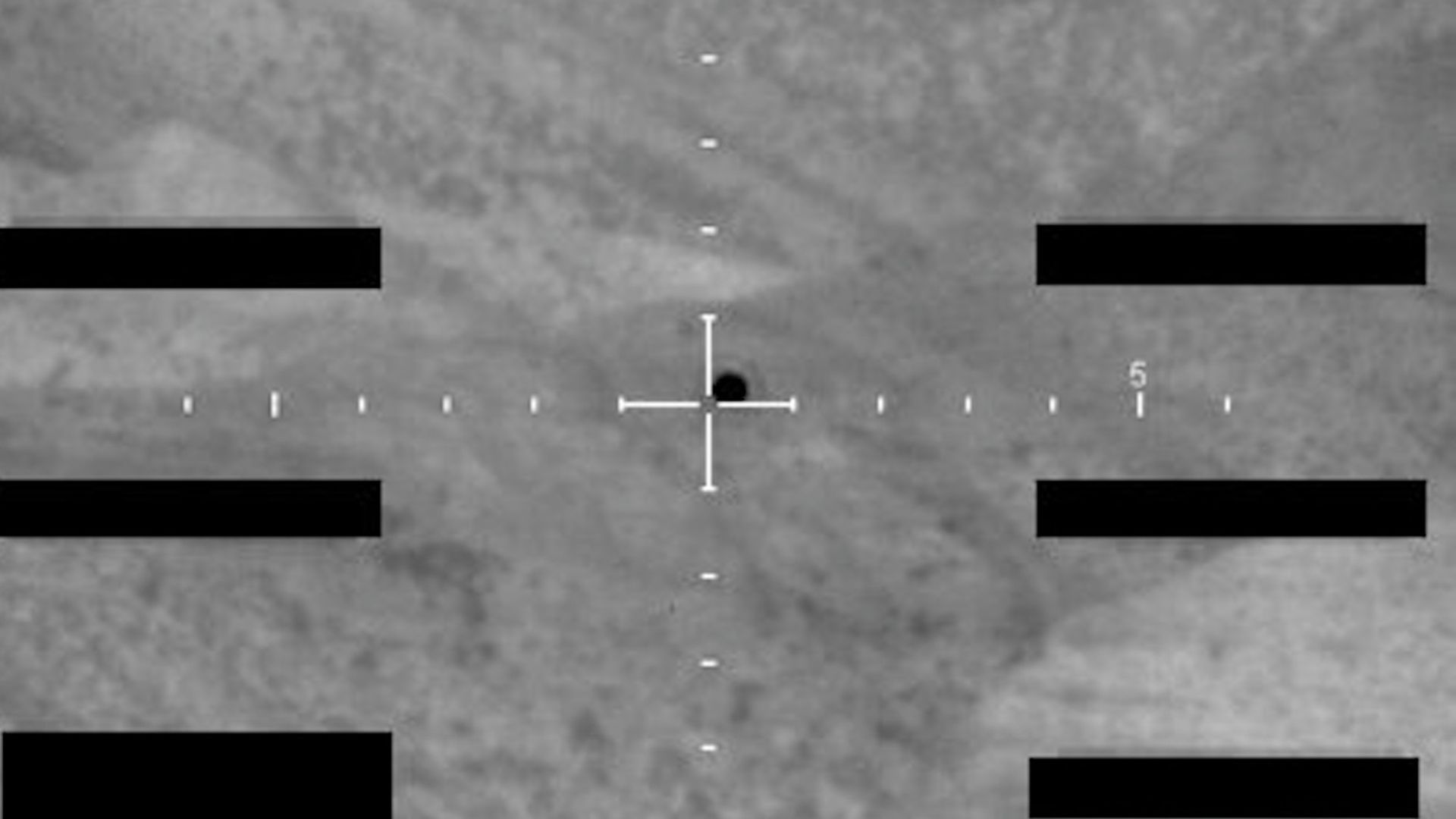
Disclosure advocate Mike Gold comments on the Pentagon's recent series of UFO file releases, which he describes as a significant shift benefiting the public. The excerpt is brief, so the specific documents and their contents are not described. Score reflects a solid newsworthy commentary piece on government UAP transparency.
- 4.White House appoints Harvard astronomer Avi Loeb to lead new UFO study group(space.com)
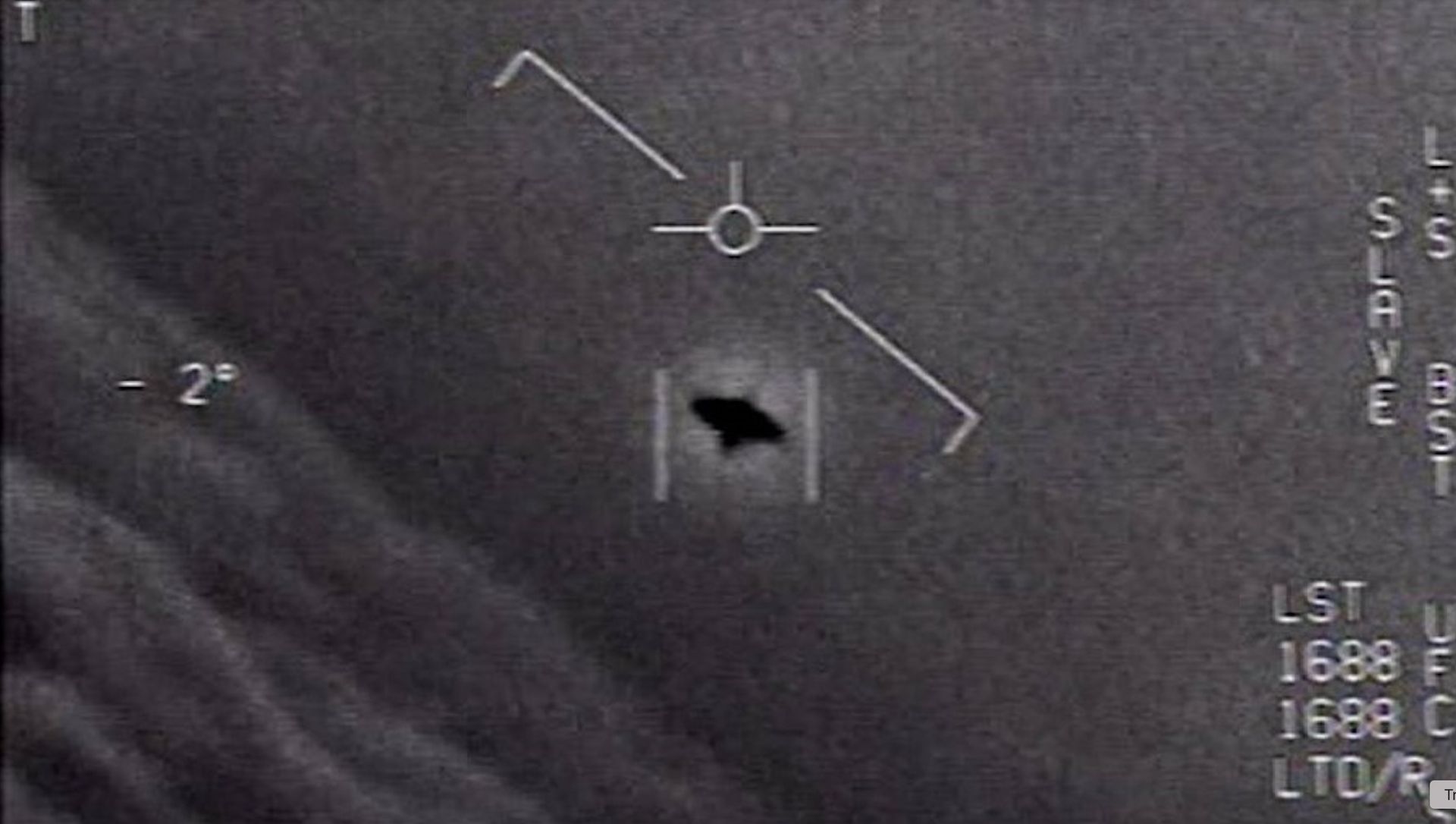
Harvard astrophysicist Avi Loeb has been appointed to head a new White House group studying UFOs, now referred to as unidentified anomalous phenomena (UAPs). The appointment reflects the federal shift in terminology from UFO to UAP that has developed in recent years. Loeb is known for his work on interstellar objects, including the 2017 object 'Oumuamua, and for arguing that some anomalous objects could be technological in origin. The excerpt does not give the group's mandate, full membership, funding, or access to government data. The formal scope and output of the group remain unverified in this report. Many anomalous sightings in past official reviews have received mundane explanations, so the group's eventual conclusions are still open.

Get the next PURSUE release in your inbox
We check war.gov every day. When a new PURSUE release drops, you get an email within a day: what's in it, in plain English, with links to the files. Plus a short Friday digest of the week's top UAP stories.